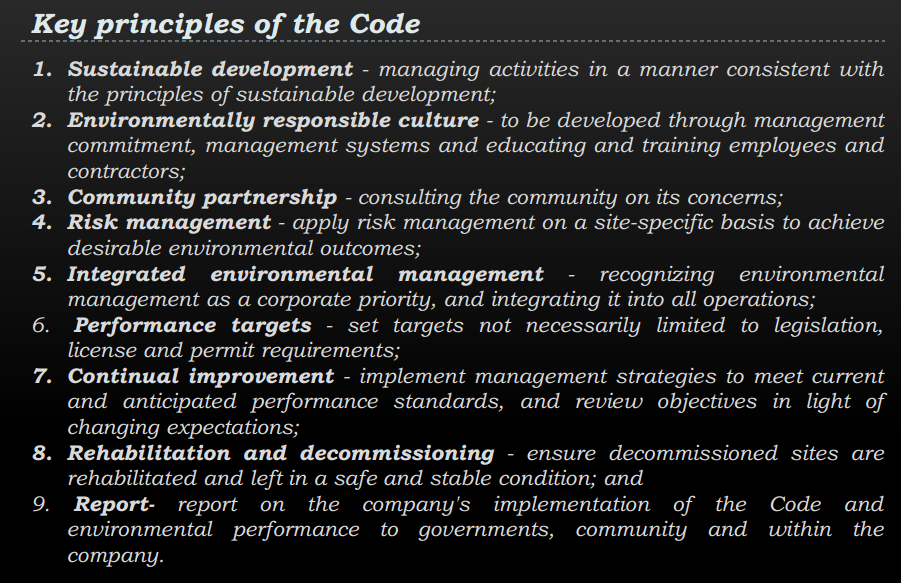
Last month during the Mining Philippines Conference 2017, I was one of 6 panel discussants in one focus group discussion.

First I discussed the recent rants vs. open pit mining by ex-DENR Sec. Gina Lopez and why many of her points are wrong or non-sensical at the least. Then I discussed other issues about soil degradation, the coming global cooling and the need for more water catchments like mined-out open pits, then briefly about mining taxes.

Some open pits have become eco-tourism attractions.

My conclusions:
(2) Mined out or decommissioned open pit mines should as much as possible be left as is, not covered with soil then reforested. Multiple purposes: (a) as man-made dam and lake to catch excess water and flash flood, (b) reduce flooding downstream during heavy rains, (c) use the lake water for fishery, irrigation, hydro-power, even possible drinking water source someday, (d) or simply for eco-tourism.
The 16-slides presentation is available here.
Meanwhile, some photos during our panel discussion that afternoon.

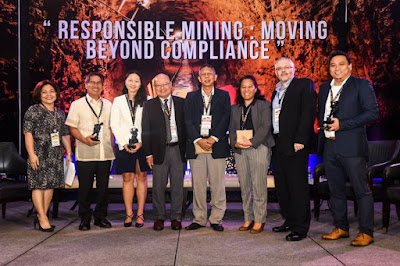
Photo credits: Mining Philippines (COMP) fb page.
----------------
See also:

First I discussed the recent rants vs. open pit mining by ex-DENR Sec. Gina Lopez and why many of her points are wrong or non-sensical at the least. Then I discussed other issues about soil degradation, the coming global cooling and the need for more water catchments like mined-out open pits, then briefly about mining taxes.

Some open pits have become eco-tourism attractions.

My conclusions:
(2) Mined out or decommissioned open pit mines should as much as possible be left as is, not covered with soil then reforested. Multiple purposes: (a) as man-made dam and lake to catch excess water and flash flood, (b) reduce flooding downstream during heavy rains, (c) use the lake water for fishery, irrigation, hydro-power, even possible drinking water source someday, (d) or simply for eco-tourism.
(3) Current mining taxation (incl.
royalties, regulatory fees, mandatory contributions) are high and plentiful.
Any tax hike like raising mining excise tax from 2% to 10% should be
compensated by a cut or abolition of other taxes and fees.
The 16-slides presentation is available here.
Meanwhile, some photos during our panel discussion that afternoon.


Photo credits: Mining Philippines (COMP) fb page.
----------------
See also: